Skip to content
華能光電華能光電
  • About Us
    • Company Profile
    • Facility
    • Milestone
    • Policy
    • Organisation
  • Products
    • Outdoor
    • Indoor
    • Low Temperature
  • Successful Projects
    • Project Photos
  • Contact Us
    • Our Offices
    • Global Agencies
    • Contact Us
    • LEDTECH WEBSITE
  • LANGUAGE
    • 中文版
    • ENGLISH

✦ Outdoor

    • High Bay Light
    • Spot Light
    • Flood Light
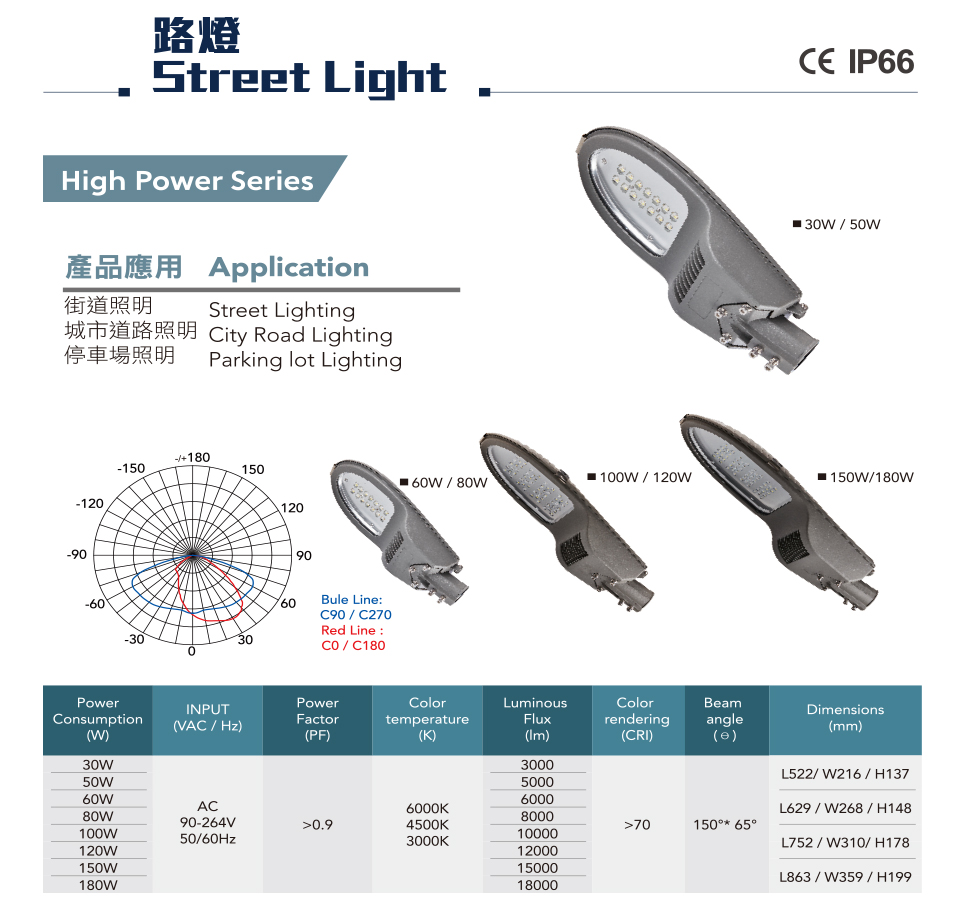
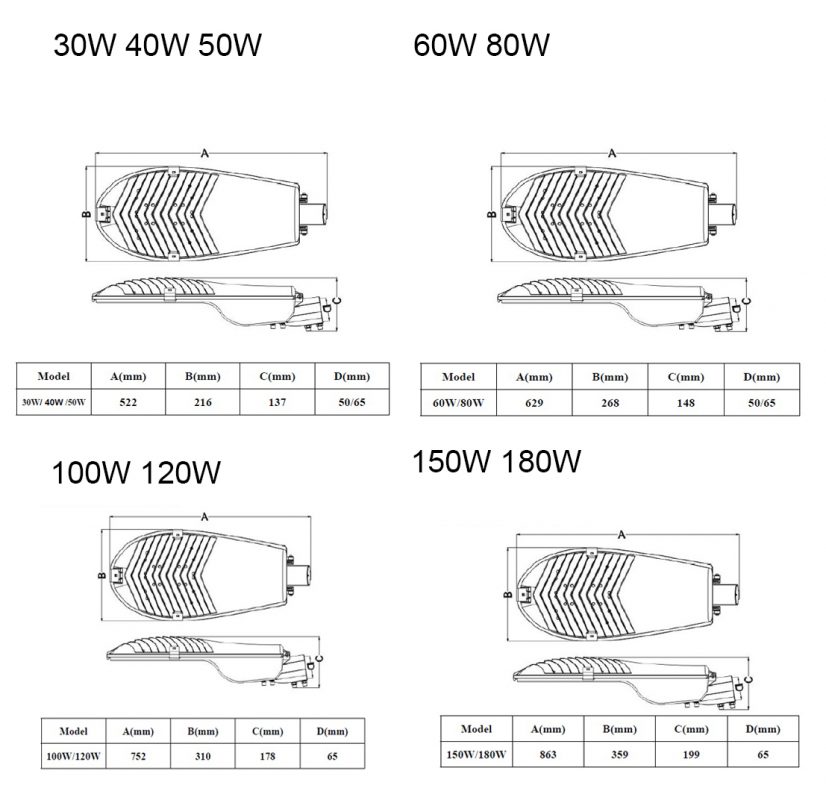
    • Street Light
    • Wall Light
    • Bollard Light
    • Gas Station Light

✦ Indoor

    • Tube
    • Down Light
    • Panel Light
    • AR111
    • MR16
    • Plant Tube
    • Yellow Tube
    • Signage Tube
    • Meat Light
    • Track light
✦ Low Temperature
    • Standard
    • Custom

DOWNLOAD

SPEC
IES
ip66
ik07
ce


Copyright 2026 © Energyled Corporation


  • About Us
    • Company Profile
    • Facility
    • Milestone
    • Policy
    • Organisation
  • Products
    • Outdoor
    • Indoor
    • Low Temperature
  • Successful Projects
    • Project Photos
  • Contact Us
    • Our Offices
    • Global Agencies
    • Contact Us
    • LEDTECH WEBSITE
  • LANGUAGE
    • 中文版
    • ENGLISH
Clear examples make abstract ideas easier to understand because they connect general principles with situations that readers can recognize and evaluate. In technical writing, the strongest illustrations do more than repeat a definition: they show how a process works, identify the conditions that affect it, and reveal where a rule may not apply. A well-designed test measures whether the example supports the stated principle, while a contrasting case shows how different assumptions produce a different result. This distinction matters in education, software documentation, policy analysis, and everyday decision-making, where readers often need both a model answer and a boundary for its use. Effective explanations therefore combine concise examples with evidence, context, and enough detail to let an audience follow the reasoning without being overwhelmed.